What should I pack for my pet's 10-day quarantine stay in Australia?
 By Sage Ingle, Pet Travel Coordinator
Australia Pet Shipping
International Pet Shipping
SHORT ANSWER
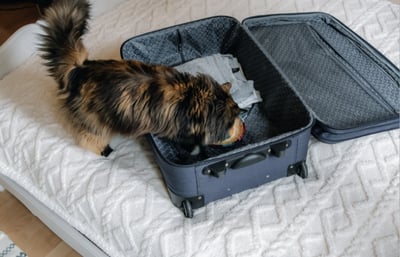
The honest answer is: almost nothing. The Australian Department of Agriculture, Fisheries and Forestry (DAFF) does not allow owners to send bedding, toys, comfort items, or food along with pets into the Mickleham Post Entry Quarantine (PEQ) Facility — anything that travels in the crate gets destroyed on arrival, and anything mailed or dropped off afterward isn't accepted either. Instead, DAFF supplies the food (Royal Canin dry and wet formulas for both dogs and cats) and bedding suited to your pet's breed and age for the full 10-day stay. The real "packing list" that matters is for the flight itself — a compliant, properly labeled travel crate — and the paperwork you'll need on release day, not a care package for quarantine.
Key Takeaways
- 1. DAFF explicitly states it will destroy all bedding, soft toys, and comfort items that travel with your pet in their transport crate, since these items become soiled during the journey and pose a biosecurity risk.
- 2. Food sent with your pet is also destroyed on arrival. DAFF feeds all dogs and cats in quarantine using Royal Canin dry and wet food formulated for a range of breeds, ages, and sensitivities.
- 3. If your pet has a specific dietary need, you can arrange in advance to supply Australian-sourced food through the facility — but this must be coordinated ahead of time, not sent with your pet or dropped off unannounced.
- 4. Owners cannot visit pets during the 10-day quarantine period, but staff handle daily exercise, feeding, and grooming for hygiene and welfare needs.
- 5. The item that actually matters for preparation is the IATA-compliant travel crate used for the flight — not what's inside it, but how it's built, sized, and labeled.
Why "Packing" Isn't the Right Way to Think About Quarantine
It's a completely understandable instinct. If your dog or cat is about to spend 10 days somewhere unfamiliar, you want to send along something that smells like home — a blanket, a favorite toy, their usual food. Most quarantine or boarding facilities around the world are happy to accommodate that.
Mickleham is different, and it's worth understanding why before you start packing a bag.
Australia has some of the strictest biosecurity laws in the world, largely because it remains one of the few rabies-free countries left, and its post-entry quarantine system exists specifically to protect that status (DAFF: Quarantine in Australia). Every item that enters the facility — even a beloved blanket — is treated as a potential contamination risk if it has traveled internationally in a crate. That's the whole reason the facility's own policy is blunt about it: "We will destroy all bedding, soft toys, comfort items etc. that travels with the animal in their transport crate upon arrival as they become soiled during the journey" (DAFF: Our facility).
The same policy applies to food. DAFF's guidance is direct: "Do not send food with your animal. We will destroy any food sent with animals upon arrival due to the possible biosecurity risks associated with the food" (DAFF: Our facility).
So instead of a packing list, think of this as a preparation list — for the flight, for your pet's comfort during transport, and for what happens after the 10 days are up.
What Actually Happens to Anything You Send
To be specific about what gets left behind at intake:
- Bedding, blankets, and towels placed in the crate for the flight are removed and destroyed once your pet arrives at Mickleham.
- Soft toys and comfort items — the same thing.
- Any food packed for the trip, including treats, is destroyed on arrival.
- Items mailed to the facility or dropped off in person aren't accepted either. DAFF is direct about this too: "Please don't send items to the facility. We do not take responsibility for any items sent to or left at the facility" (DAFF: Our facility).
This isn't a facility oversight or an inconvenient rule to work around — it's a deliberate biosecurity control, applied consistently to every animal that comes through the door.
What DAFF Actually Provides During the Stay
Here's the good news: because the facility supplies everything directly, there isn't a gap for you to fill.
Feeding. DAFF currently feeds dogs a rotation of Royal Canin dry and wet formulas, including Medium Adult Expert, Gastrointestinal High Fibre, Hypoallergenic, Anallergenic, and Medium Puppy, among others. Cats receive Royal Canin Sensible, Indoor, Kitten, and Gastrointestinal formulas in both dry and wet varieties (DAFF: Our facility). Feeding windows run between 8:00am and 4:00pm.
Bedding. The facility provides bedding suited to your pet's breed and age for their individual, climate-controlled pen. Dogs and cats are housed separately, and if you're importing more than one pet, DAFF tries to place same-species animals in adjacent pens where possible.
Exercise. Dogs are given regular exercise time in the facility's exercise yards, attended by biosecurity officers. Cats are kept in quiet indoor suites appropriate to their needs.
Grooming. Staff will groom and bathe pets during quarantine for welfare or hygiene reasons. If you'd like additional specialist grooming, you can request it through the biosecurity officers, though supervision fees apply.
Veterinary care. If your pet needs medical attention, DAFF will contact you or your authorized agent to arrange treatment, either through a private veterinarian or an emergency veterinary hospital, at your expense.
For more on how the quarantine period fits into the overall import timeline, see our guide to Australia pet quarantine requirements and what to expect at Mickleham.
Can I Have Food Delivered to My Pet at the Facility?
This question comes up often, and it's worth answering directly rather than repeating a myth. There is no official DAFF policy allowing food delivery services, couriers, or drop-offs for pets in quarantine. As covered above, the facility's stated policy is that items sent or left at the facility aren't accepted, and DAFF supplies feeding directly for the entire stay.
The reassuring part is that this isn't something you need to solve. Your pet's meals are already handled by an approved, structured feeding program suited to their species and life stage. If your pet has a specific medical or dietary need that the standard Royal Canin lineup doesn't cover, the correct path is to contact the facility before your pet arrives and arrange to supply Australian-sourced food through them directly — not as a one-off delivery, but as a coordinated part of your pet's care plan.
The One Exception: Special Diets
If your dog or cat is on a prescription or specialized diet, DAFF does allow for this — with two conditions. First, any food you provide must be sourced from within Australia; you cannot ship international brands or products in with your pet. Second, you'll need to contact the facility ahead of time to arrange delivery information, since food cannot simply be sent with your animal or dropped off without prior coordination (DAFF: Our facility).
If your pet has ongoing dietary needs, this is worth raising with your pet transport coordinator as early in the process as possible — ideally as part of the same planning conversation where you're locking in vaccination and RNATT titer test timelines.
So What Should You Actually Prepare?
Since the "packing list" for quarantine itself is essentially empty, your preparation energy is much better spent on two things:
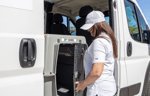
1. The travel crate for the flight. This is the one item that matters, and it matters because it has to meet IATA Live Animals Regulations — solid construction, correct ventilation, secure door latches, and sizing that allows your pet to stand, turn around, and lie down comfortably. Crate training your pet in the weeks before travel, so the crate feels familiar rather than frightening, makes a real difference in how they handle both the flight and the transition into quarantine.
2. Documentation for release day. When the 10 days are up, you or an authorized agent must collect your pet in person at Mickleham (135 Donnybrook Road, Mickleham VIC), typically between 10:00am and 12:00pm on the release date. Photo identification is required, and if someone other than the importer named on the permit is collecting your pet, the facility needs to be notified of that agent's details in advance (DAFF: Our facility).
What Pet Owners Are Saying
Families who've been through the process often describe how much documentation and crate preparation, rather than physical items, drove a smooth quarantine stay. In a Reddit thread in r/australian, one user who had recently moved a dog from the U.S. to Australia described their experience:
"From the USA back to Australia in 2024, it cost about AUD $8,500 in total, including the 10-day quarantine at Mickleham, import permit, blood tests, and airline freight. We documented everything, including timelines, required vaccinations, crate setup, and spreadsheets for both routes" (r/australian discussion).
That lines up with what DAFF's own facility policies suggest: the process rewards preparation around paperwork, timelines, and the crate itself — not what you pack inside it.
Planning Your Timeline
Quarantine is just one stage of a much longer process. Most pets from the United States need 6 to 8 months of lead time to complete rabies vaccination, RNATT titer testing, the import permit application, and quarantine booking before their 10-day stay at Mickleham even begins. For the full walkthrough of every step before quarantine, see our complete guide to pet relocation to Australia, and for a closer look at the facility itself, our guide to Australia pet quarantine requirements at Mickleham.
Frequently Asked Questions
Can I send my dog's favorite blanket or toy for their quarantine stay?
+
No. DAFF's policy is to destroy any bedding, soft toys, or comfort items that travel with your pet in their crate, since these items become soiled during transport and are treated as a biosecurity risk.
Will my pet be fed during quarantine, or do I need to provide food?
+
DAFF feeds all pets in quarantine using Royal Canin dry and wet food suited to species, age, and common sensitivities. You don't need to provide food unless your pet has a specific dietary requirement, in which case you'd arrange Australian-sourced food through the facility in advance.
Can I order Uber Eats or another delivery service for my pet at the facility?
+
There's no official DAFF policy allowing food delivery or drop-offs for pets in quarantine. Items sent to or left at the facility aren't typically accepted, and feeding is already handled directly by facility staff for the full stay.
Can I visit my pet during their 10-day quarantine?
+
No. DAFF does not permit visiting during the post-entry quarantine period. Staff manage daily exercise, feeding, and monitoring throughout the stay.
Who can pick up my pet when quarantine is over?
+
Only the importer named on the import permit, or an authorized agent whose details have been provided to the facility in advance, can collect your pet. Photo identification is required at pickup.
Do I have to use a pet transport agent, or can I book cargo space myself?
+
It's not legally required, but DAFF itself recommends using an experienced pet transport agent, and airline pet-cargo policies change often enough that professional coordination significantly reduces the risk of a delayed or failed booking.
Make this guide about your pet.
Every pet's move is a little different. Pick an AI assistant, hit send, and chat through your pet's breed, your route, and your timeline. You'll land with a checklist made for your move.
AI can get details wrong, and pet import rules change often, so double-check before you travel.
FlightDestinationStatus
SW 101
Ask ChatGPT
Boarding
SW 102
Ask Claude
Boarding
SW 103
Ask Perplexity
Boarding
SW 104
Ask Gemini
Boarding
Copies the message to your clipboard, then opens Gemini so you can paste it
See the message we'll send

About the Author
Sage Ingle, Pet Travel Coordinator
I've been a part of the Starwood team for almost 6 years now. Most of these years have been spent as a Pet Travel Coordinator, helping hundreds of people move their pets around the world. I have worked many regions, but now specialize in moving pets to New Zealand and Australia. I'm a mama to two handsome boys, and four fur babies. We have two dogs, Asher and Luna, and two cats, Kona and Makai. Our family loves the outdoors, from nature walks, to the beach, or kayak/paddle boarding.
Talk to our experts
Need help or have questions? Our team is ready to help!

Get a quote →
Subscribe for Monthly Updates
Subscribe for expert pet travel tips, updates, and relocation guides—delivered to your inbox.