

Australia Pet Shipping
Pet Import Australia
Australia
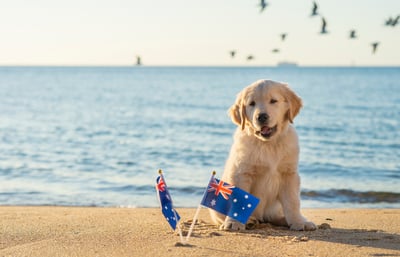
^̮ ̮^ocating to Australia with your pet is a major undertaking, and it is very different from moving a pet to most other countries. Australia has some of the strictest biosecurity and animal import regulations in the world, designed to protect its unique ecosystem and prevent the spread of disease.
If you are planning to move a dog or cat from the United States to Australia, preparation, timing, and accuracy are everything. From import permits and vaccinations to quarantine and flight logistics, there are many moving parts that must align perfectly.
This guide walks you through the full pet relocation process to Australia, what to expect at each stage, and how to avoid common and costly mistakes.
Why Moving Pets to Australia Is More Complex
Australia is a rabies-free country, which means its import requirements are far more rigorous than those of many other destinations. Pets entering Australia must meet strict health, identification, and treatment standards long before they ever board a flight.
Unlike countries where pets can enter shortly after arrival, Australia requires government-managed quarantine for all dogs and cats entering the country. This alone impacts both timelines and cost.
Because of these complexities, pet relocation to Australia requires early planning, careful documentation, and strict adherence to official requirements.
Overview of the Pet Relocation Process to Australia
While the details vary slightly for dogs and cats, the general process follows the same structure.
Step 1: Microchip and Eligibility
All pets must be microchipped with an ISO-compliant microchip before starting the import process. The microchip must be scanned and recorded on all veterinary paperwork.
Australia only allows pets from approved countries. The United States is an approved Group 3 country, which means pets must meet additional rabies-related requirements.
Step 2: Rabies Vaccination and Blood Test
Dogs and cats must receive a rabies vaccination after microchipping. Following the vaccination, a rabies neutralizing antibody titration test, often called a rabies titer test, is required.
The timing of this blood test is critical. Once the blood sample is drawn and approved by an authorized laboratory, a mandatory waiting period begins before your pet can enter Australia.
Step 3: Import Permit Application
An Australian import permit must be approved before your pet can travel. This permit outlines the specific requirements your pet must meet and confirms eligibility for entry.
Import permits are issued by the Australian Department of Agriculture and require accurate documentation. Errors or missing information can delay approval and impact travel timelines.
Step 4: Additional Treatments and Veterinary Checks
In the months and weeks leading up to travel, pets must complete parasite treatments, health examinations, and government endorsements.
Final veterinary paperwork must be completed within a strict timeframe before departure and endorsed by the appropriate US authorities.
Step 5: International Pet Transport and Flight Booking
Pets traveling to Australia must fly as manifested cargo. This requires specialized booking with airlines that accept pets on international routes and comply with Australian regulations.
Crate selection and preparation are also critical. Crates must meet International Air Transport Association requirements and be appropriate for your pet’s size and breed.
Step 6: Arrival and Quarantine in Australia
All dogs and cats entering Australia complete mandatory quarantine at the Mickleham Post Entry Quarantine Facility in Melbourne. The length of quarantine depends on compliance with all import requirements.
Once quarantine is completed and clearance is granted, pets are released to their owners.
Pet Transport from the USA to Australia
Pet transport from the USA to Australia is not as simple as booking a flight. Not all airlines operate suitable routes, and capacity for live animal transport can be limited.
Key factors that affect transport include:
-
Airline availability and seasonal restrictions
-
Weather limitations at departure and arrival airports
-
Breed considerations for snub-nosed pets
-
Crate size and aircraft compatibility
Because of these variables, flight planning often begins months in advance. Timing errors can lead to missed flights or extended stays in quarantine.
Cost of Bringing a Dog or Cat to Australia
The cost of pet relocation to Australia varies widely based on several factors, including pet size, travel route, and compliance complexity.
Typical cost components include:
-
Veterinary visits, vaccinations, and blood tests
-
Import permit fees
-
Airline cargo charges
-
Approved travel crate
-
Quarantine fees in Australia
-
Professional pet relocation services, if used
Larger dogs generally cost more due to crate size and cargo pricing, while cats tend to fall on the lower end of the cost spectrum. Unexpected delays or documentation errors can significantly increase total costs.
Because of this, many pet owners choose to work with professionals who manage the process end to end and help avoid costly mistakes.
Importing Dogs vs Cats to Australia
While the overall process is similar, there are important differences between importing dogs and importing cats.
Dogs
-
Additional vaccinations may be required depending on age and health history
-
Certain breeds may face airline restrictions
-
Treatment schedules must be followed precisely
Cats
-
Fewer vaccination requirements compared to dogs
-
Generally smaller crate sizes and lower transport costs
-
Still subject to the same quarantine and documentation rules
Understanding these differences helps set realistic expectations and ensures the correct preparation for each species.
Common Mistakes When Relocating Pets to Australia
Pet relocation to Australia leaves little room for error. Some of the most common mistakes include:
-
Microchipping after rabies vaccination
-
Missing or mis-timed rabies titer testing
-
Incorrect or incomplete veterinary paperwork
-
Booking flights before permits are approved
-
Choosing crates that do not meet airline or IATA standards
Any of these errors can result in delayed travel, extended quarantine, or denied entry.
How Long Does It Take to Move a Pet to Australia?
Most pet relocations from the USA to Australia take several months from start to finish. The required waiting period after rabies testing alone means this is not a last-minute process.
In general, pet owners should plan for:
-
Several months of preparation before travel
-
Mandatory quarantine upon arrival
-
Additional buffer time for unexpected delays
Starting early is one of the most important factors in a smooth relocation.
Getting Professional Help with Pet Relocation to Australia
Because Australia has some of the strictest pet import requirements in the world, many pet owners choose to work with experienced pet relocation specialists.
Professional support can help with:
-
Navigating government regulations
-
Coordinating veterinary timelines
-
Booking compliant international pet flights
-
Managing documentation and permits
-
Reducing the risk of delays or added costs
If you are exploring professional assistance, you can learn more about our Australia pet relocation services and how we support families moving pets safely and compliantly from the USA to Australia.
If you still have questions about documentation, timelines, or requirements across different countries, our international pet relocation FAQs answer many of the most common concerns pet owners have.
Final Thoughts
Pet relocation to Australia is complex, highly regulated, and time-sensitive, but it is absolutely achievable with the right preparation and guidance. Understanding the process, starting early, and following requirements exactly can make the difference between a smooth journey and a stressful experience.
Whether you are just beginning your research or preparing to start the import process, this guide serves as a foundation for understanding what it takes to move your pet to Australia safely and successfully.

Talk to our experts
Need help or have questions? Our team is ready to help!

Get a quote →