
International Pet Shipping
Cat
Cat Travel
Brachycephalic Breeds
Cat Relocation
flat faced pets
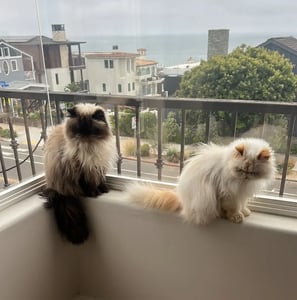
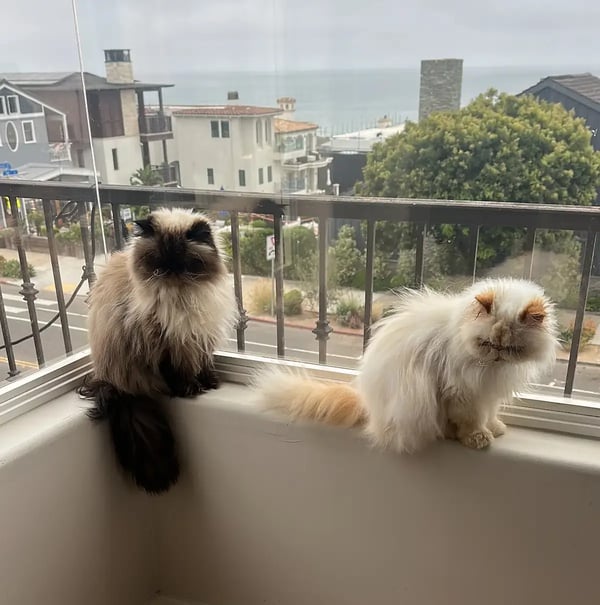
No matter what kind of pet you have or where you’re moving overseas, there will be paperwork. Probably lots of it. Foreign countries want to be sure your pet is healthy and not bringing in pests or diseases that could affect local pets, wildlife, or public health. So, you’ll need documentation to confirm your cat is a suitable candidate for immigration. For flat-faced cats and dogs, however, things can be more complex.
The official documentation you’ll need for your flat-faced (also known as snub-nosed or brachycephalic) cat is generally the same as for any other cat traveling overseas. That said, every country has its own regulations, so you’ll need to verify the specific requirements for your destination. In most cases, you may be required to obtain:
- Proof of microchip
- Rabies vaccination certificate
- General vaccination certificate (for FVRCP)
- International health certificate (endorsed by the official government vet)
- Blood test results (depending on the destination)
- Internal & external parasite treatments (depending on the destination)
- Import permit (depending on the destination)
- Customs forms
On paper this may sound straightforward, but in practice it often isn’t. You might be fortunate and move to a country that only requires a health certificate and proof of current rabies vaccination. If not, assembling all the necessary paperwork can be challenging because each document, vaccine, and test has its own timing rules. You’ll need a detailed calendar, and if a blood test is required, you may need to allow several months to complete everything.
Start this process as early as possible. And before you commit to moving your cat, there are additional considerations to help you decide whether your kitty should make the trip at all.
It takes more than paperwork to relocate your cat overseas
These days, moving with a brachycephalic (flat-faced) cat or dog is more challenging than it once was. Airlines are increasingly aware of how air travel can place extra stress on flat-faced pets, raising health and safety risks. Some carriers no longer accept snub-nosed dogs and cats at all. So, in addition to learning what paperwork your destination country requires, you’ll also need to identify an airline that will accept your pet and then review their specific pet travel policies.
One rule all airlines share is the requirement for a travel crate that meets International Air Transport Association (IATA) specifications. Proper sizing is based on your pet’s measurements, but for flat-faced cats and dogs, we strongly recommend choosing the next-largest crate size to maximize ventilation and comfort during transit.
Is your cat healthy enough to fly?
Even if your chosen airline accepts snub-nosed cats, there are still important health factors to consider:
- Flat-faced dogs and cats are more prone to a range of health issues connected to their shortened facial structure.
- Does your cat have any pre-existing health conditions?
- Is your cat overweight?
- Do you have a senior cat?
It is important to speak with your veterinarian about your cat’s overall fitness to fly, taking their brachycephalic anatomy and any other medical conditions into account.
You might need more paperwork after you arrive
Getting your cat to your new country is only part of the journey. You’ll also need to understand what is expected of pet owners once you’ve arrived. Many countries – and sometimes particular cities or regions – have rules about where pets can live, whether cats may roam freely outdoors, or if they must be kept indoors at all times. Your cat may also need to be officially registered or licensed, much like a dog.
Taking time to research local regulations and pet ownership guidelines before you move will make it much easier for both you and your feline family member to settle into your new home safely, smoothly, and with less stress.


Talk to our experts
Need help or have questions? Our team is ready to help!

Get a quote →