

International Pet Shipping
Cat
Pet Health
Cat Travel
Brachycephalic Breeds
flat faced pets

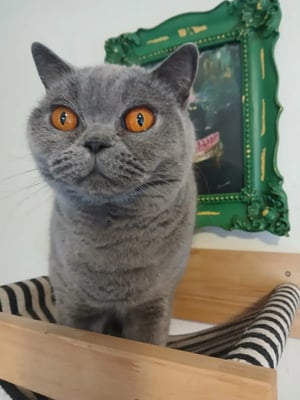
Pet parents look for two things when planning an overseas move for their beloved cat: safety and comfort. We often think about those in purely physical terms, protecting our kitty from harm and keeping them as cozy as possible in transit. But medical factors also play a major role in a traveling pet’s safety and comfort. And if your cat is a flat-faced (snub-nosed) breed, those medical considerations are especially critical.
Let’s take a closer look at the medical requirements for moving your favorite feline overseas if they're a Persian, Burmese, or another flat-faced (brachycephalic) breed.
Brachycephalic cats and dogs - often called snub-nosed or short-snouted - share one key trait: they can have difficulty breathing. Their faces may look adorably flat from the outside, but on the inside their airways are shortened, narrowed, or compressed. This can make it harder to move enough air in and out, which can lead to a range of medical issues for flat-faced cats.
Is your cat eligible to travel?
Everyday life can already be more challenging for your cat, and air travel adds extra stressors and environmental changes that may worsen her natural breathing difficulties. Two important examples:
- The busy, unfamiliar sights, sounds, and smells associated with airports and flights can raise anxiety and stress levels.
- Warm or hot weather makes it even harder for snub-nosed breeds to cool themselves, putting them at higher risk for heatstroke. Many airlines will not accept pets when temperatures are above a certain threshold - often around 85°F.
Because of these concerns, some airlines have restricted policies for brachycephalic cats and dogs. Some no longer accept them at all, while others only allow travel under very specific conditions. Since your cat is a flat-faced breed, your first step is to confirm that they will be accepted on your preferred routing and that the airline’s policies allow them to travel safely to your destination.
How is their overall health?
Flat-faced or not, every cat is unique. Fitness to fly is always an individual assessment. Once you’ve confirmed that your cat is eligible to travel with your chosen airline, the next step is to meet with your veterinarian to determine whether they are a good candidate for long-distance air travel.
You’ll need to visit the vet anyway to meet the import requirements for your destination. Before diving into specific vaccinations or tests, have a thorough conversation with your vet about their age, weight, and any chronic medical conditions, whether or not they are related to the short-nosed facial structure. Air travel is more demanding for senior cats and those with pre-existing health conditions.
What kinds of conditions matter most? Brachycephalic cats and dogs are more prone to respiratory disease and certain neurological issues than other pets. Many also have prominent, bulging eyes that are more vulnerable to corneal injuries and other ocular problems. Some may struggle with gastrointestinal issues as well. Any of these conditions could increase the risks of air travel and should be carefully evaluated before you move forward with flight plans.
Pet travel paperwork
Once your cat has been cleared by both the airline and your veterinarian, it’s time to focus on the other major medical requirement: documentation. Every country has its own rules and procedures for importing pets. You’ll need to identify exactly what your destination country requires and in what order.
Whatever is required, it is essential to follow those instructions precisely to avoid delays, unplanned quarantine, or denied entry on arrival. Start this process as soon as you know—or even suspect—that you’ll be moving. Depending on where you live now and where you’re headed, it can take weeks or even months to complete all the necessary steps for your cat to travel.
While the medical aspects of your kitty’s journey are vital, we understand you also want their experience to be as safe, calm, and comfortable as possible from door to door. Our Starwood Pet Travel team can answer your questions and manage the complex details for you, so you and your cat can approach the move with confidence and greater peace of mind.


Talk to our experts
Need help or have questions? Our team is ready to help!

Get a quote →