

International Pet Shipping
Dog
brachycephalic dogs
Dog Relocation
flat-faced pet

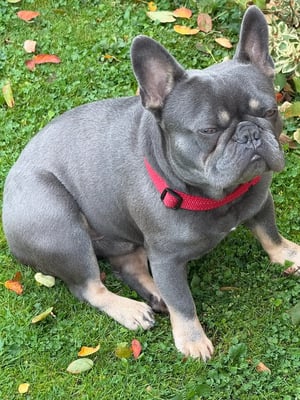
Every dog traveling overseas with their family needs the proper documentation. For your dog, this paperwork proves both identity and health status. Some countries require relatively straightforward forms, while others have more complex processes because they are especially cautious about the pets they allow to enter.
That caution is important, but navigating your dog’s paperwork can feel overwhelming. And if your dog is a flat-faced (also known as snub-nosed or brachycephalic) breed, you can expect even more complexity, regardless of destination. Air travel for brachycephalic dogs carries its own specific concerns.
Basic paperwork is the same, regardless of breed
No matter where you are headed, preparing your pup for international travel requires certain core documents. These are generally the same whether your dog is flat-faced or not. Because every country sets its own regulations, you’ll need to confirm the specific requirements for your destination. These may include:
- Proof of microchip
- Rabies vaccination certificate
- General vaccination certificate (for DHPP, Leptospirosis, Bordetella, Canine Influenza Virus)
- Blood test results (depending on the destination)
- Internal & external parasite treatments (depending on the destination)
- International health certificate (endorsed by the official government vet)
- Import permit (depending on the destination)
- Customs forms
- Airline forms
Keep in mind that the paperwork can sometimes vary depending on if your pet is traveling in-cabin or as cargo and if you are handling the move yourself or using a pet transport company.
Obtaining paperwork is rarely simple
In the best-case scenario, you might be moving to a country with relatively minimal documentation requirements – perhaps just a health certificate, microchip, and proof of current rabies vaccination. However, many destinations are more demanding. Each document, test, and vaccination typically has strict timelines, validity windows, and sequencing rules. Certain blood tests can take weeks or even months from the time the sample is drawn to final clearance.
Creating a detailed timeline or calendar can help, but the most critical step is starting early. Before you dive into the paperwork, it’s also important to think carefully about whether your flat-faced companion should make the international journey at all.
Is your flat-faced dog air-worthy?
Not long ago, airlines treated brachycephalic and non-brachycephalic dogs the same way. That’s no longer the case. Due to well-documented health and safety risks for snub-nosed pets, many airlines now have special rules for these breeds. Some carriers no longer accept flat-faced dogs and cats under any circumstances, while others allow them only under strict conditions regarding routing, season, and time of day. You will need to verify, in advance, that your preferred airline will accept your dog and under what terms.
All airlines must follow the International Air Transport Association (IATA) standards for live animal containers. Normally, your dog’s measurements determine the correct crate size. However, we strongly recommend selecting a crate that is one or two sizes larger than the minimum requirement for snub-nosed breeds. The extra space helps improve ventilation and comfort for your dog throughout the journey.
Once you know that a particular airline will accept your dog, you’ll want to look more broadly at their overall fitness to travel by air. Factors to consider include:
- Is your precious pup healthy enough to fly? Brachycephalic dogs are prone to additional medical issues beyond their well-known breathing challenges due to their abnormal airway structure.
- Does your dog have gastrointestinal problems, dry eye, or neurological conditions?
- Is your dog overweight?
- How old is your dog, and does their age affect their ability to handle the stress of long-distance travel?
Let us help you breathe easier
While it may seem intimidating to understand and secure all the documentation required to move your flat-faced dog overseas, you don’t have to manage it alone. Our team at Starwood Pet Travel stays current on airline regulations and destination country requirements, and we’re here to guide you through each step. As lifelong pet lovers, we understand how important it is that your dog travels not only safely, but as comfortably and calmly as possible.


Talk to our experts
Need help or have questions? Our team is ready to help!

Get a quote →