

Pet Shipping
Pet Travel
Airline Policies
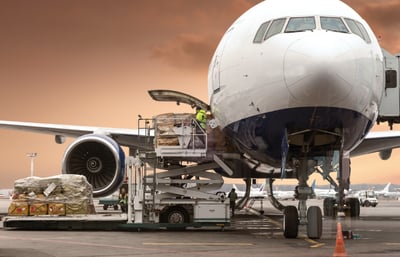
When you can't have your pet under the seat in front of you, the thought of them flying in the "cargo hold" can be nerve-wracking. However, the reality of modern pet travel is much safer and more sophisticated than many people realize.
Here is what actually happens when your dog or cat flies as cargo and why it is a highly regulated, safe process.
Where exactly do they stay?
Your pet is not tossed in with the standard suitcases. While they are in the "belly" of the plane, they travel in a specific area known as the bulk hold.
- Pressurized and Climate-Controlled: This area is part of the same pressure vessel as the passenger cabin. If the cabin is pressurized for humans, the cargo hold is too.
- Secured for Safety: Pet crates are never left to slide around. They are securely fastened using specialized netting and straps to remain stable even during turbulence.
- Optimal Airflow: Unlike standard luggage, pet crates are positioned to ensure fresh air circulates freely throughout the flight.
- Specialized Lighting: In many larger aircraft, lights can be left on in the pet hold to help them feel more secure.
What concerns do pet parents share about flying cargo on Reddit?
Spend a few minutes on Reddit and you’ll see the same questions come up again and again. Not just about logistics, but about trust, safety, and whether they’re making the right decision for their pet.
- Is it actually safe?
- Are there other options?
- Will my pet be traumatized?
- Do they need to be medicated?
- Can I do this without a pet transport company?
- What airlines handle pets best?
You can see all of these concerns play out in real conversations like these:
- “She's WAY too big to fit under the seat, and she isn't a service animal, so she'd be in the cargo hold. I'd love to hear from anyone who's flown with their dog below the plane before. Is it safe? Did your pup recover? Did it alter their personality as a possibly scarring event?” Read more on Reddit.
- My dog flew overseas last year, and while he definitely didn't want to pee/poo for a few days because everything was so new and overwhelming, it only took 2-3 days for him to be back to normal and have no real issues. He's now happy as can be and loves his new home. Your dog will be alright :) Read more on Reddit.
Across threads like these, the pattern is clear. Pet parents are not just looking for instructions. They are looking for reassurance that their pet will be safe, comfortable, and cared for every step of the way.
Is it actually safe? (The Statistics)
The data shows that flying as cargo is remarkably safe. U.S. airlines are required by law to report any incident involving a pet to the Department of Transportation (DOT).
- Low Incident Rates: In 2024, U.S. carriers transported over 161,000 animals with only 13 total incidents reported. That is an incident rate of approximately 0.81 per 10,000 animals—or a 99.99% success rate.
- Monthly Performance: Recent reports, such as the September 2025 DOT data, showed zero pet travel incidents for the entire month across all U.S. airlines.
- IATA Standards: Over 4 million pets travel by air globally each year. These flights are governed by strict International Air Transport Association (IATA) rules regarding handling, container standards, and animal welfare.
How Airlines Protect Your Pet
Safety isn't just about the flight; it’s about the entire journey from the terminal to the tarmac.
1. Weather Embargoes
Airlines monitor ground temperatures at your origin, connection, and destination. If temperatures are forecasted to be above 85°F or below 45°F, many airlines will pause pet travel entirely to prevent exposure during loading and unloading.
2. Trained Personnel
Many major carriers, such as Delta and American Airlines, have 24/7 Animal Help Desks and specialized ground crews trained specifically in live animal handling.
3. Specialized Facilities
Airlines like Emirates and Lufthansa have invested in dedicated airport facilities where pets are kept in climate-controlled environments while waiting to be loaded, ensuring they spend the least amount of time possible on the tarmac.
Tips for a Smooth Cargo Flight
- Acclimation is Key: The best thing you can do for your pet's safety is to make their crate feel like a safe "den" at home weeks before the flight.
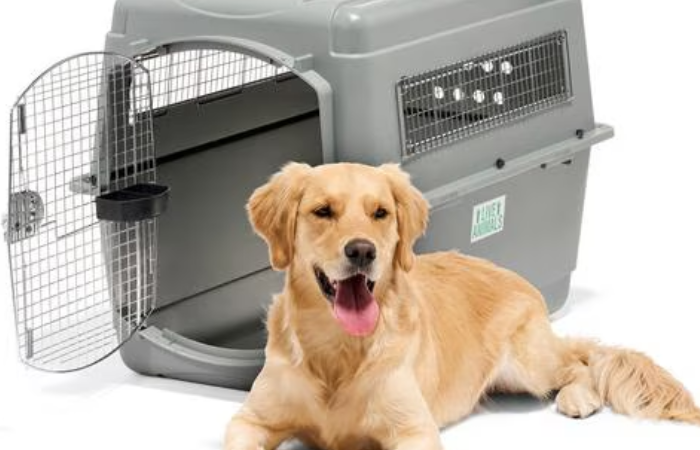
- Hydration: Use "clip-on" water bowls that can be filled from the outside of the crate without opening the door.
- Skip the Sedatives: Most airlines and veterinarians strictly prohibit sedation for cargo travel, as it can interfere with a pet's ability to regulate their body temperature and breathing at high altitudes.
At the end of the day, flying as cargo isn’t about putting your pet in a risky situation. It’s about using a system that has been built, tested, and refined specifically to transport animals safely across the world. The fear comes from not being able to see every moment of the journey, but behind the scenes, there are layers of regulation, trained professionals, and safeguards working together to protect them. With the right preparation and guidance, most pets arrive exactly how you hope they will. safe, calm, and ready to settle into their new home right alongside you.

Talk to our experts
Need help or have questions? Our team is ready to help!

Get a quote →