

Pet Care
Helping your pet
Pet Travel
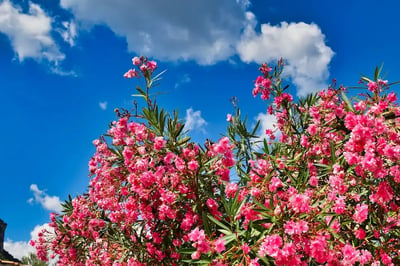
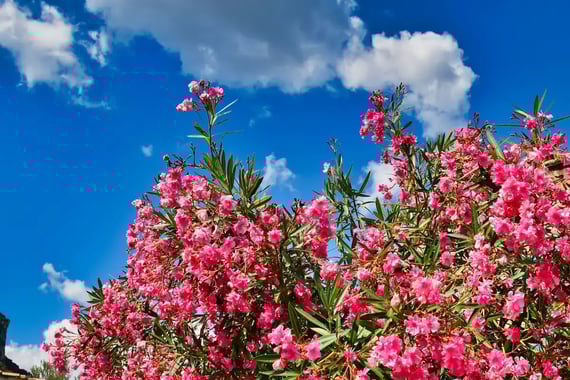 Photo by Philippe Gras on Unsplash
If your dog or cat loves to explore new things by licking or chewing them, you’re probably always on alert about what they might get into. Many plants can be toxic to pets, just as they can be to people. And if you’re relocating to a foreign country, you’ll be navigating a whole new environment of potentially dangerous plants—both in the wild and in private gardens.
It’s wise to plan ahead. If your move will take you to Southeast Asia, these are some plants you’ll want to be especially mindful of. You may recognize several of them, since many are popular ornamentals that you could already have in your yard. Many pet parents don’t realize these everyday plants can cause significant discomfort for pets, even when they aren’t life-threatening.
It can be challenging to find reliable information about which local plants to avoid. Fortunately, the ASPCA has compiled worldwide lists of plants that are toxic to pets. Some plants are dangerous in their entirety, while others are risky only if certain parts are touched or eaten. Reactions can range from mild itching or an upset stomach to severe illness or even death.
It’s also important to remember that cats and dogs don’t always react the same way to specific toxins, so the ASPCA maintains separate lists for cats and for dogs. Consider downloading these lists to your phone or bookmarking them for quick access when you arrive in your new home. Above all, if you suspect your pet has come into contact with anything toxic, seek veterinary care right away.
What should you avoid in Southeast Asia?
- Oleander, a lovely and fragrant shrub popular in many countries, is native to Asia and can cause cardiac arrest.
- Strychnine tree, a native of Australia and Southeast Asia, has seeds that can be quickly and painfully lethal.
- Abrus precatorius (crab’s eye, rosary pea), an Indonesian native, is also highly toxic.
- Lantana, a common garden plant, can cause dermatitis if touched and can be fatal if ingested.
- Pangi, a tree native to Southeast Asia, is poisonous from root to leaf.
- Portulaca, or moss rose, another widely used garden plant native to Southeast Asia, can cause excessive salivation and tremors in pets.
Moving to Malaysia? There’s one invasive plant you and your pet will definitely want to avoid: parthenium hysterophorus Santa Maria feverfew). Although it originated in Mexico, this aggressive plant has spread widely around the world and is now well established in Malaysia, neighboring countries, and even Australia.
Parthenium rapidly displaces native vegetation and is notoriously resistant to weed killers, so it’s commonly found along roadsides and open fields. The danger? Skin contact can cause a rash so severe it may take months to heal and can leave permanent scarring. Animals that graze on it can suffer serious intestinal damage.
Depending on the plant, your pet can be harmed by sniffing it, brushing against it, or ingesting part of it. That can sound intimidating, but learning which plants pose the greatest risks—and what they look like—will go a long way toward keeping your four-legged family member safe and healthy, wherever your journey in Southeast Asia takes you.


Talk to our experts
Need help or have questions? Our team is ready to help!

Get a quote →